Lifestyle store with a curated edit of designers and artisans based in Toronto, Canada.
LABORATORIO PARAVICINI
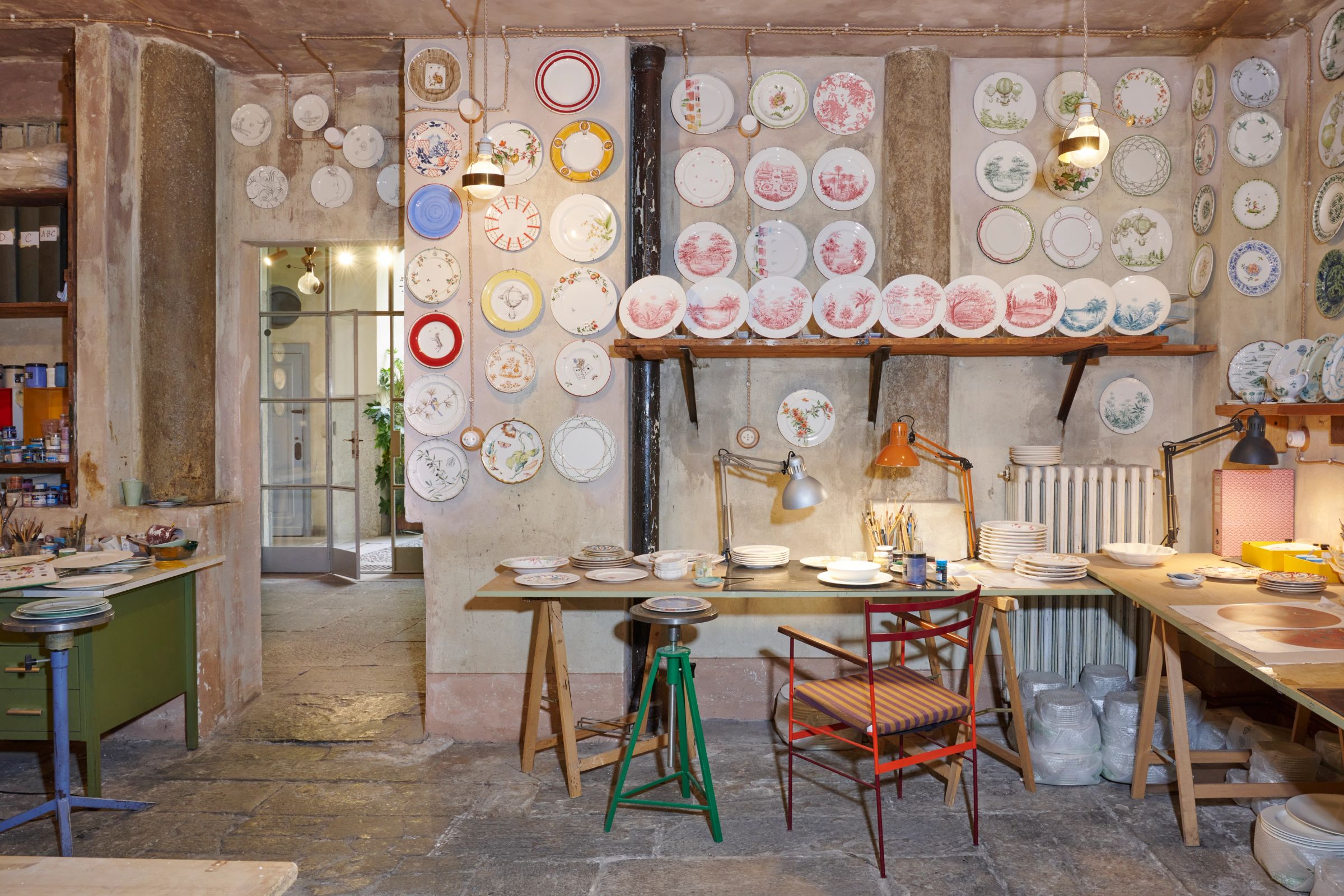
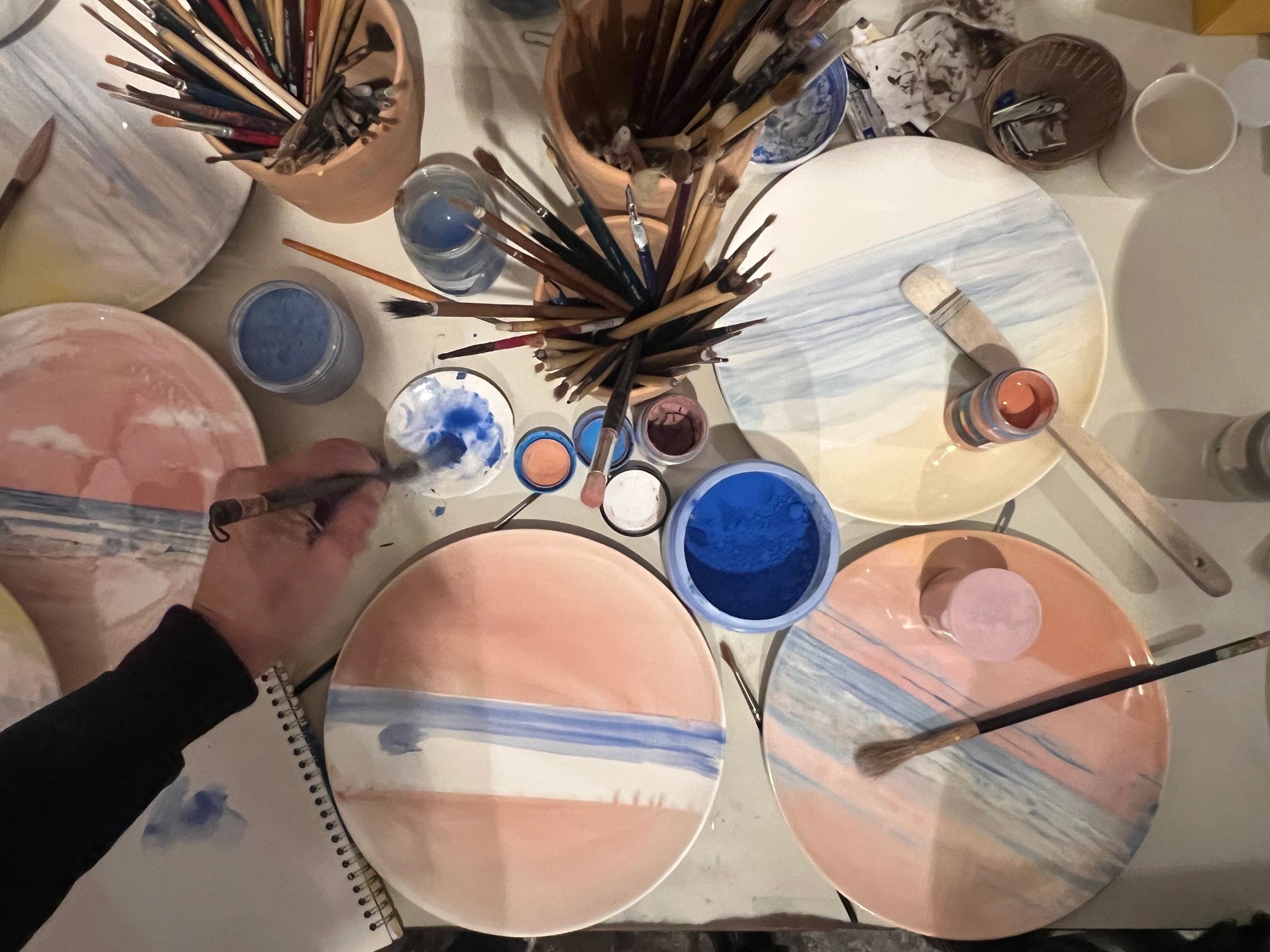
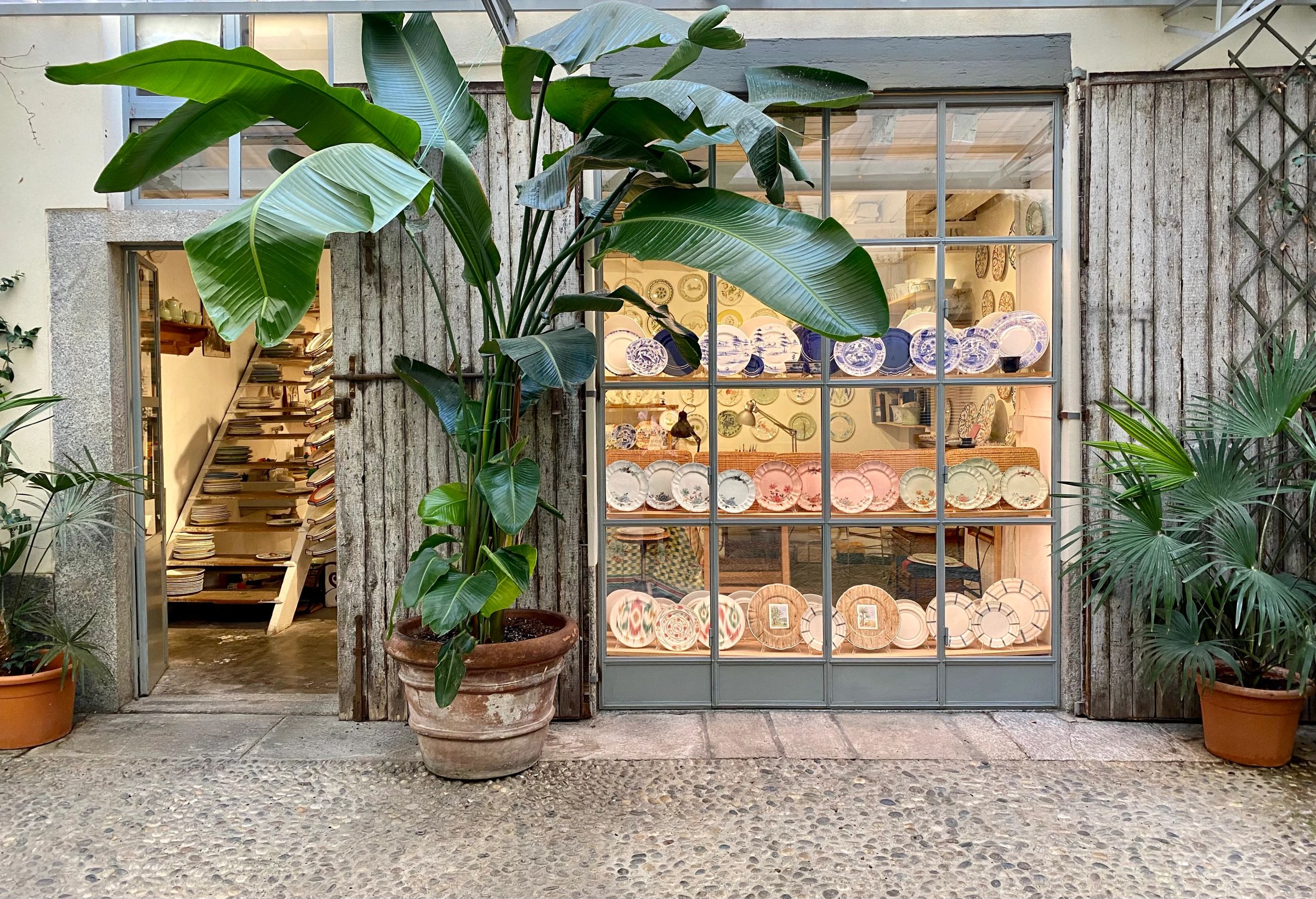
Tucked away in a hidden courtyard in Milan’s historic centre, Laboratorio Paravicini is a women-led pottery studio headed by Costanza Paravicini and her three daughters. The studio is a treasure of handmade, handpainted plates that depict a wide range of designs, from hyper-realistic gardens to fantastical hot-air balloons. At the core of the atelier is a dedication to high Italian craftsmanship and tradition, reinterpreted through a contemporary lens. Through careful research, experimentation and development, the studio evolves season to season with new creations that surprise and delight us.
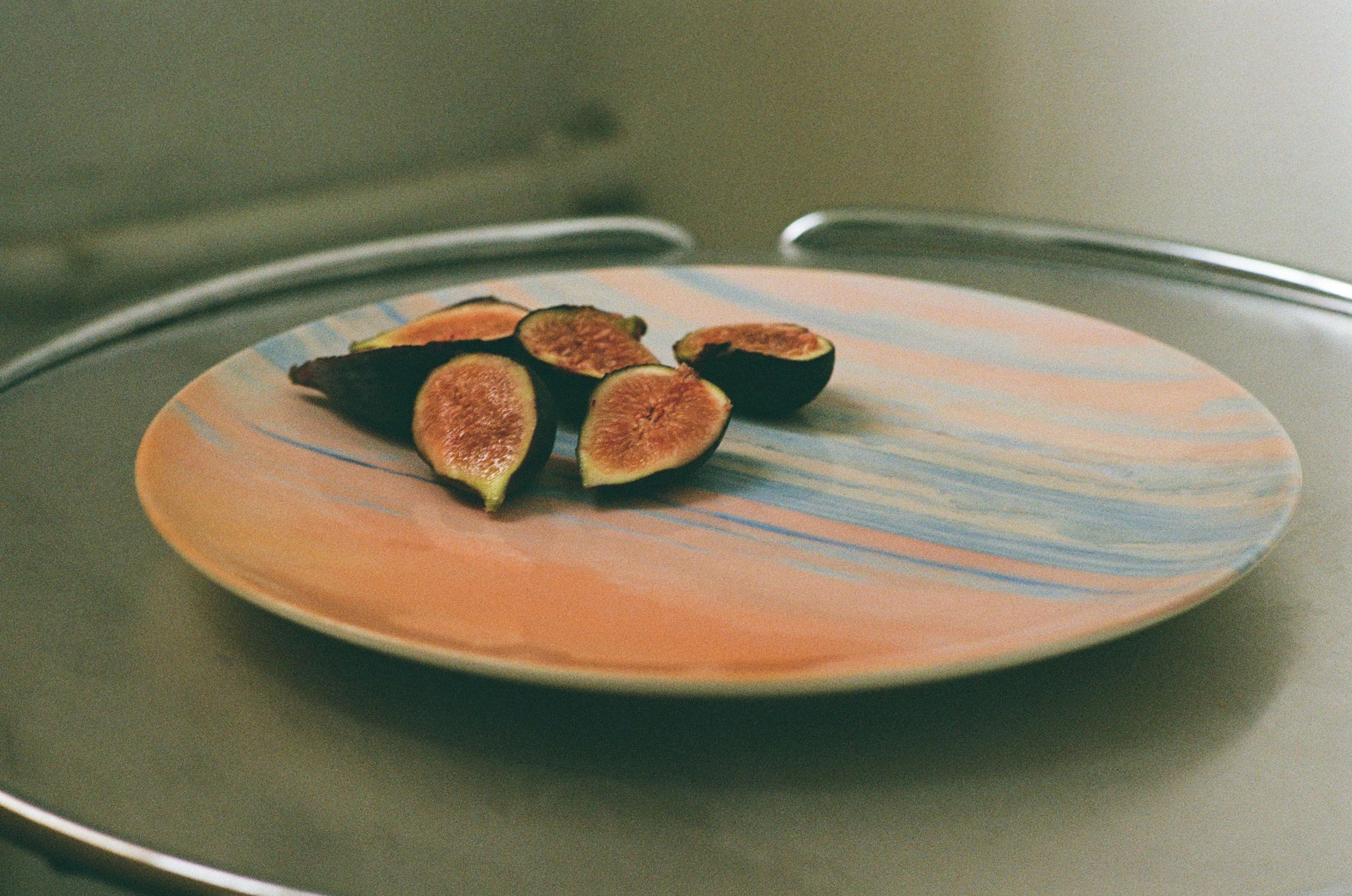
In addition to their own collections, which they present at Milan Design Week each year, the team collaborates with designers on bespoke collections, including the Studio Gohar Bean plates and Vittore Frattini Horizon plates that dotted the walls and tables of River Crossing. This season, we collaborated with Laboratorio Paravicini to create a collection of plates called Ebb and Flow, which capture the steadying feeling of waves ebbing and flowing along the shore. It is the first instalment in our new series, which will present a new set of plates by a different artisan each year. Ebb and Flow is inspired by long afternoons and evenings spent around the table, sharing food and stories with our friends and family.
What are your names?
We are Laboratorio Paravicini, a Milanese family atelier where ceramic tradition encounters a distinctly contemporary decorative sensibility. As sisters—Benedetta, Margherita, and Bona—we work alongside our mother, Costanza, founder of the atelier, to preserve and reinterpret a living legacy of exceptional artisanal craftsmanship.
Where were you born?
We were born in the heart of Milan, in a historic courtyard in the Cinque Vie district—a place that has always hosted workshops and small crafts tied to everyday urban life. Our atelier grew naturally within these walls, continuing a tradition of manual work and creativity that has defined this neighbourhood for generations.
Do you have a favorite street to cross?
Via Santa Marta/Corso Magenta, just behind our showroom. The Cinque Vie district, where we as Laboratorio are located, represents the heart of Milan’s ancient historic centre. It is characterized by narrow streets whose surfaces are still paved in stone, just as they were in the past. We are very fond of this atmosphere, which still evokes the feeling of an old village, even though Milan has now become a large metropolis.

What do you like most about Milan?
Milan still retains a very “human” scale; it has not yet reached the urban sprawl of other European capitals, and this is precisely one of its advantages. The city offers all the opportunities of a major metropolis, yet distances are easily walkable or bikeable, allowing for a rich social and cultural interconnectedness.
Can you name something representative of excellent craft?
For us, a true symbol of exceptional craftsmanship is the work of Bonacina 1889. Their mastery of natural materials, the precision of their weaving, and the continuity of savoir-faire passed down through generations embody the essence of Italian artisanal excellence. They are also a great source of inspiration for us, given the family nature and deep-rooted tradition of their company—values that closely resonate with our own, even though our story is much more recent.
What’s one thing you consider aspirational?
Continuity. The ability to carry forward a tradition while allowing it to evolve—passing knowledge from one generation to the next, preserving the essence of manual work while embracing new techniques and ideas. For us, aspiration is not growth alone, but longevity: the possibility that what we create today will still be meaningful tomorrow.